
Showing 1–16 of 47 results
-
-
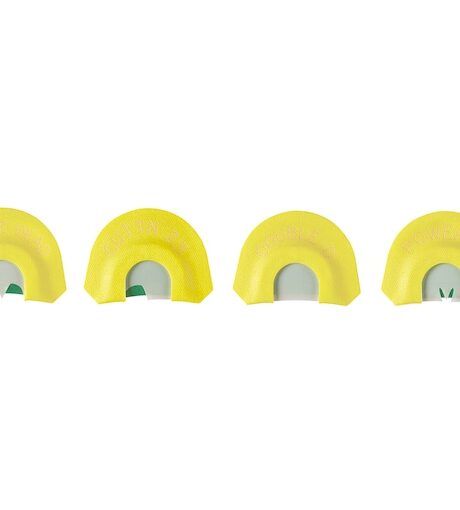
HS Strut Drury Outdoors Signature Series Diaphragm Turkey Call 4PK
$26.60$21.28 Availability: In Stock -
-
-
-
-
-
-
-
-
-
Power Calls Beau Brooks Signature Mockingbird Diaphragm Turkey Call
$13.48$10.78 Availability: In Stock -
-
Primos Piggy Back Stacked Series True Double II Diaphragm Turkey Call
$10.69$8.55 Availability: In Stock -
Primos Piggy Back Stacked Series True Triple Diaphragm Turkey Call
$12.29$9.83 Availability: In Stock -







Turkey Calls for Sale: Master the Art of Turkey Hunting
If you’re a turkey hunter looking to enhance your hunting experience, the right turkey call can make all the difference. Whether you’re a seasoned pro or a beginner, having a quality turkey call in your arsenal will increase your chances of attracting your next big catch.
In this guide, we’ll walk you through everything you need to know about turkey calls, including the different types, how to use them, and why buying your turkey calls from us is the best choice for any hunter.
Why You Need a Turkey Call
Turkey calls are vital tools for attracting wild turkeys during hunting season. Turkeys rely heavily on sound to communicate, and turkey calls mimic their natural sounds, allowing hunters to bring in turkeys from a distance.
Without the right call, even the best hunter can miss their chance to bag a turkey. A quality turkey call can help you:
- Attract and deceive turkeys: Make realistic sounds to lure turkeys into range.
- Communicate with wild turkeys: Use calls that simulate the sounds of mating or distress to grab the turkey’s attention.
- Increase your chances of success: Skilled use of turkey calls can greatly improve your chances of a successful hunt.
Types of Turkey Calls
When it comes to turkey calls, there are several types to choose from, each with its own advantages. Understanding these types will help you pick the right call for your needs.
1. Box Calls
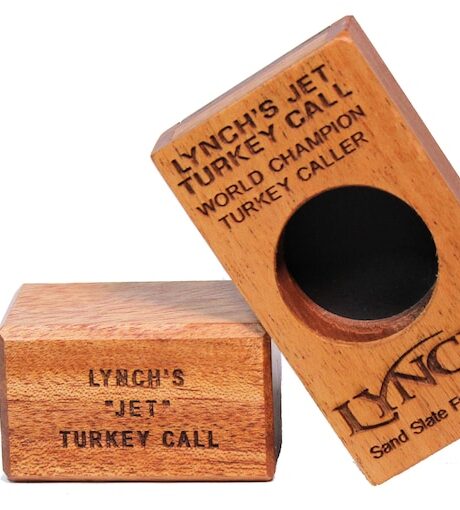
Box calls are one of the easiest and most versatile turkey calls to use. Made of wood, a box call consists of a wooden box with a lid that produces sound when scraped across the box’s grooves. These calls are great for beginners due to their simplicity and ease of use.
Pros:
- Easy to use
- Produces loud, clear sounds
- Works well in windy conditions
Cons:
- Heavier than other calls
- Can be louder than necessary in close-range situations
2. Slate Calls
Slate calls use a flexible striker to produce sounds when rubbed against a slate surface. These calls are known for their natural, soft turkey sounds and are often favored by hunters who prefer to mimic the softer calls of hens.
Pros:
- Soft, realistic sounds
- Easy to control volume and pitch
- Lightweight and portable
Cons:
- Requires practice to master
- Striker can wear out over time
3. Mouth Calls (Diaphragm Calls)
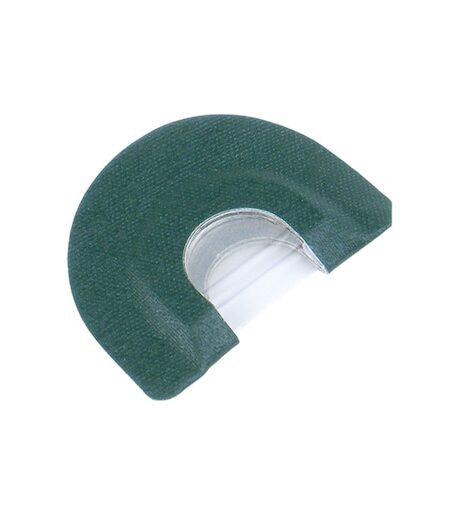
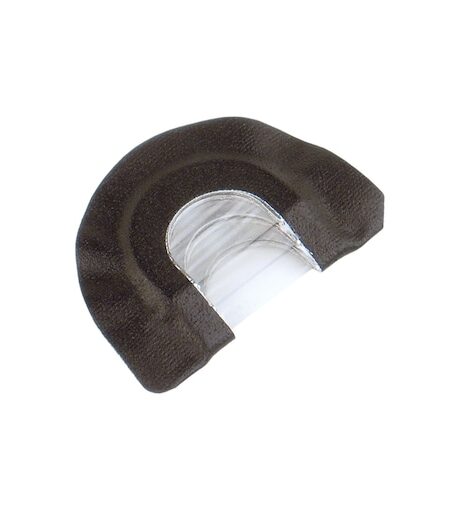
Mouth calls are small, portable calls that are placed in the hunter’s mouth. These calls consist of a flexible latex diaphragm that produces a range of turkey sounds when air is blown through it. Mouth calls are ideal for hands-free use and are popular with experienced hunters.
Pros:
- Hands-free use
- Compact and easy to carry
- Great for making a variety of sounds
Cons:
- Requires practice to use effectively
- Can be difficult for beginners to master
4. Push Button Calls
Push button calls are a type of box call that is operated with a simple button, making it easier to produce sounds without requiring a lot of effort. These calls are user-friendly, even for novice hunters, and are a great option if you want a hands-free solution without using a mouth call.
Pros:
- Easy to use
- Requires minimal effort
- Ideal for beginners
Cons:
- Less versatile than traditional box calls
- Can be less loud in windy conditions
5. Friction Calls
Friction calls are versatile and can be made from various materials like slate, aluminum, and glass. These calls typically use a striker to produce a variety of turkey sounds, ranging from soft clucks to loud yelps.
Pros:
- Versatile and adjustable
- Can produce a variety of sounds
- Effective for both beginners and experienced hunters
Cons:
- Requires more maintenance (e.g., replacing the striker)
- Can be noisy in windy conditions
How to Use a Turkey Call
Using a turkey call effectively takes some practice, but with the right technique, you can lure in wild turkeys. Here’s a basic guide on how to use a few different types of calls:
Using a Box Call:
- Hold the box call in your dominant hand and use your non-dominant hand to slide the lid back and forth.
- Adjust the pressure and speed to control the pitch and volume of the call.
- Start by making basic sounds like yelps, clucks, or purrs to attract turkeys.
Using a Slate Call:
- Hold the slate call in your non-dominant hand and the striker in your dominant hand.
- Gently rub the striker against the surface of the slate, experimenting with different speeds and pressures.
- Vary the volume by applying less pressure for softer calls and more pressure for louder sounds.
Using a Mouth Call:
- Place the mouth call in your mouth, adjusting it to fit comfortably on the roof of your mouth.
- Gently blow air through the call while varying the intensity of the airflow to produce different sounds.
- Use different pitches, such as high-pitched yelps or low-pitched clucks, to mimic a turkey’s natural communication.
Benefits of Buying Turkey Calls From Us
When you choose to buy turkey calls from us, you’re not only getting top-notch products but also exceptional customer service and expertise. Here’s why you should shop with us:
- Wide Selection: We offer a diverse range of turkey calls, from beginner-friendly options to high-end, professional-grade models.
- Quality Products: Our calls are made from premium materials to ensure realistic sounds and long-lasting durability.
- Expert Advice: Our team of hunting professionals is available to help you select the best turkey calls based on your experience and hunting style.
- Competitive Prices: We provide high-quality turkey calls at affordable prices, so you can equip yourself without breaking the bank.
- Fast Shipping: Our quick and reliable shipping ensures that you’ll get your turkey calls delivered in time for hunting season.
Frequently Asked Questions (FAQ)
Q: Which turkey call is best for beginners?
A: Box calls are often the best choice for beginners due to their ease of use and ability to produce loud, clear sounds that attract turkeys.
Q: Can I use a mouth call without any experience?
A: Mouth calls can be challenging for beginners to master, but with practice, they offer hands-free operation and can produce a wide range of sounds.
Q: How do I care for my turkey call?
A: Clean your turkey calls regularly to ensure they produce the best sounds. For slate calls, wipe the surface with a soft cloth, and for box calls, keep the box and lid free of dirt and moisture.
Q: What sounds should I mimic with my turkey call?
A: The most common turkey sounds to mimic are yelps, clucks, purrs, and gobbles. Each sound corresponds to different turkey behaviors, such as mating calls or distress signals.
-

-

PPU – 8mm Mauser (8x57mm JS Mauser – 323 Dia) – 196 Gr – Rifle Line – Soft Point – 20ct – PP8S
$24.36$19.49 Availability: In Stock -
